Improve Your Home with Professional Care
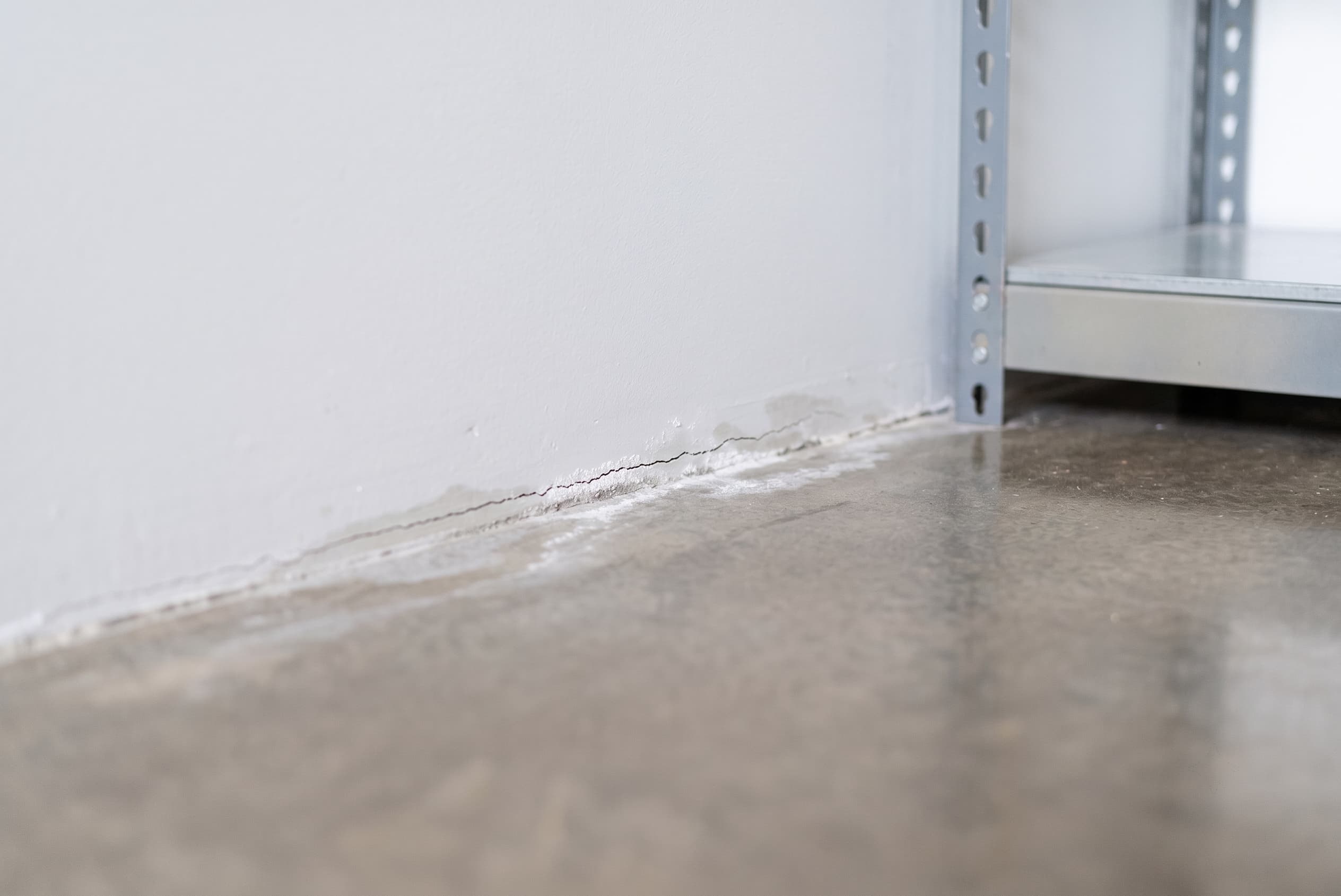 Texas summers are hard on homes. The heat that pushes your AC to its limits is doing something similar underground — expanding soil, stressing pipes, and in some cases quietly turning a small leak into a major problem. If you own a home in Dallas or Austin, slab leaks are one of the most expensive surprises your foundation can deliver — and the only thing worse than finding one is finding one late.
The good news: slab leaks almost always give you warning signs before they become catastrophic. The trick is knowing what to look for.
What Is a Slab Leak?
Most homes in Texas are built on a concrete slab foundation rather than a basement — or a pier and beam foundation. The water supply and drain lines that serve your home run either through or directly beneath that slab. When one of those pipes develops a crack or pinhole leak — from age, corrosion, soil movement, or pressure — water starts seeping into or beneath your foundation. That’s a slab leak.
Left unaddressed, slab leaks can erode soil beneath your foundation, cause significant structural damage, destroy flooring, and create mold conditions inside your walls. They’re slow enough that they’re easy to dismiss early — and serious enough that dismissing them is a costly mistake.
Why Dallas and Austin Homes Are Especially Vulnerable
Texas clay soil is notorious for expansion and contraction. When it gets wet, it swells. When it dries out — which happens aggressively in summer — it shrinks. That constant movement puts stress on the pipes running beneath your slab, especially in older homes where the pipes may already be showing their age.
In Dallas neighborhoods like Highland Park, Preston Hollow, and Lakewood — where many homes were built in the mid-20th century — original copper or cast iron pipes are common. These materials don’t hold up indefinitely, and they’re particularly vulnerable to the soil movement and pressure fluctuations that Texas weather creates.
Austin homes in Tarrytown, West Lake Hills, and the surrounding hill country face similar challenges — older plumbing, limestone and clay soil, and dramatic summer dry spells that stress foundations.
Summer is the highest-risk season. The combination of extreme heat, dry soil, heavy watering schedules, and the occasional afternoon storm creates exactly the conditions that accelerate pipe deterioration and stress concrete slabs.
7 Signs You May Have a Slab Leak
You don’t need to see a burst pipe to have a leak. These are the early warning signs that something may be happening beneath your foundation.
1. Your Water Bill Has Spiked Without Explanation
A sudden jump in your monthly water bill — with no obvious change in usage — is one of the most reliable early indicators of a hidden leak. Unlike a dripping faucet you can turn off, a slab leak runs continuously with no way to stop the loss short of shutting off water to your entire home. If you’re paying significantly more with no explanation, something is escaping the system and it won’t stop on its own. Finding and fixing it fast is the only way to stop the damage — to your bill and your home.
2. You Hear Running Water When Nothing Is On
Turn off every faucet, appliance, and irrigation zone in the house. If you can still hear the faint sound of running or rushing water — especially near the floor — that sound has to be coming from somewhere.
3. There Are Warm Spots on Your Floor
Hot water line leaks are often detectable by feel. If you notice an area of your tile or hardwood floor that feels noticeably warmer than the rest, a hot water pipe beneath the slab may be leaking directly below that spot.
4. Your Floors Are Buckling, Warping, or Wet
Moisture coming up through or along the edge of your slab will eventually reach your flooring. Buckled hardwood, lifting tile, soft spots in carpet, or unexplained dampness along baseboards are all signs worth investigating immediately.
5. You Notice Cracks Forming in Walls or Floors
Slab leaks that go undetected for months can cause the foundation itself to shift as soil erodes beneath it. New cracks appearing in drywall — especially diagonal cracks near door frames or windows — can indicate foundation movement.
6. There’s a Musty Smell or Visible Mold
Persistent moisture beneath flooring or inside walls creates ideal conditions for mold. A musty odor that doesn’t go away, or visible mold growth near the floor, warrants a leak investigation.
7. Your Water Pressure Has Dropped
If water pressure has declined noticeably — showers feel weaker, appliances fill more slowly — it can indicate that water is escaping somewhere in the supply line before it reaches your fixtures.
If you’re seeing more than one of these signs at the same time, don’t wait. Slab leaks don’t resolve themselves. The longer the water runs, the more damage accumulates — and the more expensive the repair becomes.
What to Do If You Suspect a Slab Leak
Step 1: Check Your Water Meter
Turn off every water source in the house — faucets, irrigation, ice maker, everything. Go to your water meter and watch the dial. If it’s still moving, water is leaving the system somewhere. This is a quick, free confirmation that a leak exists.
Step 2: Don’t Try to Locate It Yourself
Slab leaks require professional leak detection equipment — acoustic sensors, pressure testing, thermal imaging — to pinpoint accurately. Guessing at the location leads to unnecessary concrete cutting and increased repair costs. Call a licensed plumber with leak detection capability.
Step 3: Act Quickly
Slab leaks are one of those home problems where waiting is always the wrong answer. A small leak that costs a few thousand dollars to repair today can become a foundation issue that costs many times more if ignored. If you’re seeing signs, call now.
Step 4: Let Kincaid Coordinate It
If you’re a Kincaid member, water leak repair coordination is exactly what we’re here for. We work with vetted, licensed plumbers in Dallas and Austin who have the equipment to detect and repair slab leaks properly. You make one call — we handle the vendor sourcing, scheduling, quote review, and oversight. You don’t have to chase anyone down or figure out who to trust.
Not a member yet? We can still help. Call us and we’ll connect you with the right professional for your situation.
The Membership Advantage: Catching Problems Before They Become Emergencies
Slab leaks rarely appear out of nowhere — there are usually months of subtle warning signs before the damage becomes obvious. The problem is that most homeowners aren’t looking for them.
Kincaid’s preventative maintenance program includes routine inspections that are specifically designed to catch early signs of plumbing problems, moisture intrusion, and foundation stress before they escalate. Members in Highland Park, Tarrytown, and across our Dallas and Austin service areas regularly tell us that preventative maintenance caught something they never would have noticed on their own.
If you’re in an older home — or in a neighborhood with a history of clay soil issues — the question isn’t whether a slab leak might eventually affect you. It’s whether someone is paying attention when the early signs appear.
Learn more about Kincaid membership →
Don’t Wait on This One
Slab leaks are the kind of home problem that rewards speed. If you’re seeing warning signs — an unexplained water bill, warm spots on the floor, moisture where there shouldn’t be any — the right move is to have it checked out now, not next month.
Kincaid members get immediate, coordinated access to trusted plumbers who’ve done this work before. Non-members can call us too — we’ll point you in the right direction and make sure the job gets done right.
Contact Kincaid | DALLAS: (214) 449-0824 | AUSTIN: (737) 237-9650=